
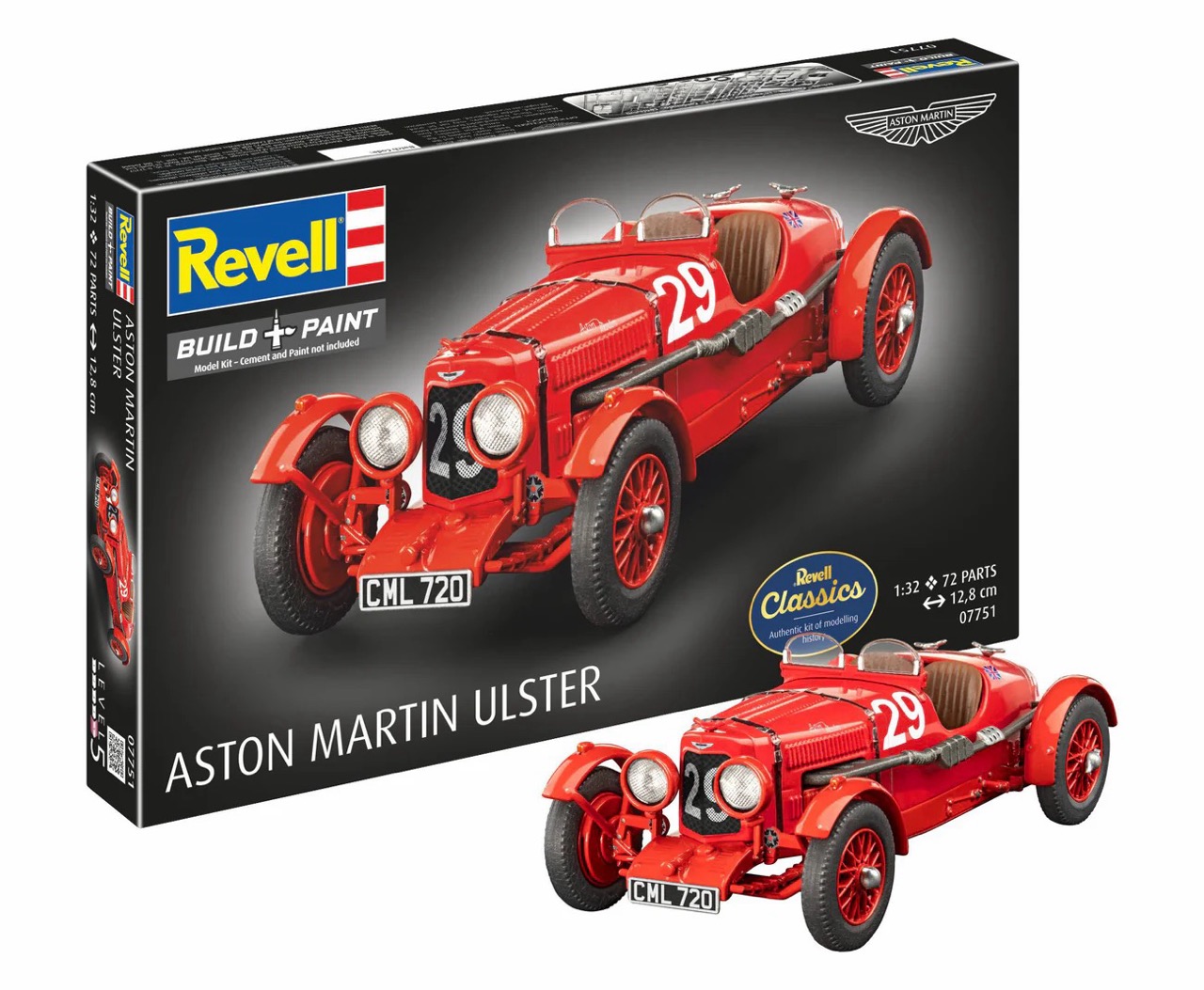
There are cars that drive faster than anything else of their time, and there are cars that make history. And then there is the Aston Martin Ulster, which managed both at the same time. This squat, spartan pre-war race car from 1934 is not a vehicle that impresses with glamour, it impresses with character. With a long engine hood, open cockpit, simplest means, and an engine that was almost obscenely well-tuned for its time, the Ulster competed in the most important endurance races of the 1930s and won. Today it is one of the most sought-after pre-war collector’s items ever, and every single one of the few still existing examples is known and documented.
Directly to the model kit in the Revell Shop
From the Drawing Board to Racing Classic: The Birth of the Ulster
Bert Bertelli did not see motorsport as marketing, but genuinely believed that racing improves construction, and built his cars accordingly. The Mark II introduced in 1934 formed the technical basis for what would soon become the Ulster. The first three vehicles of the type were built as factory race cars for Le Mans 1934, with a lightweight chassis and a light two-seater body designed by Harry Bertelli. A special construction allowed the spare wheel to be stowed flat in the rear, creating the characteristic rear shape of the car.
Superstition, Color, and a Historic Triple Victory
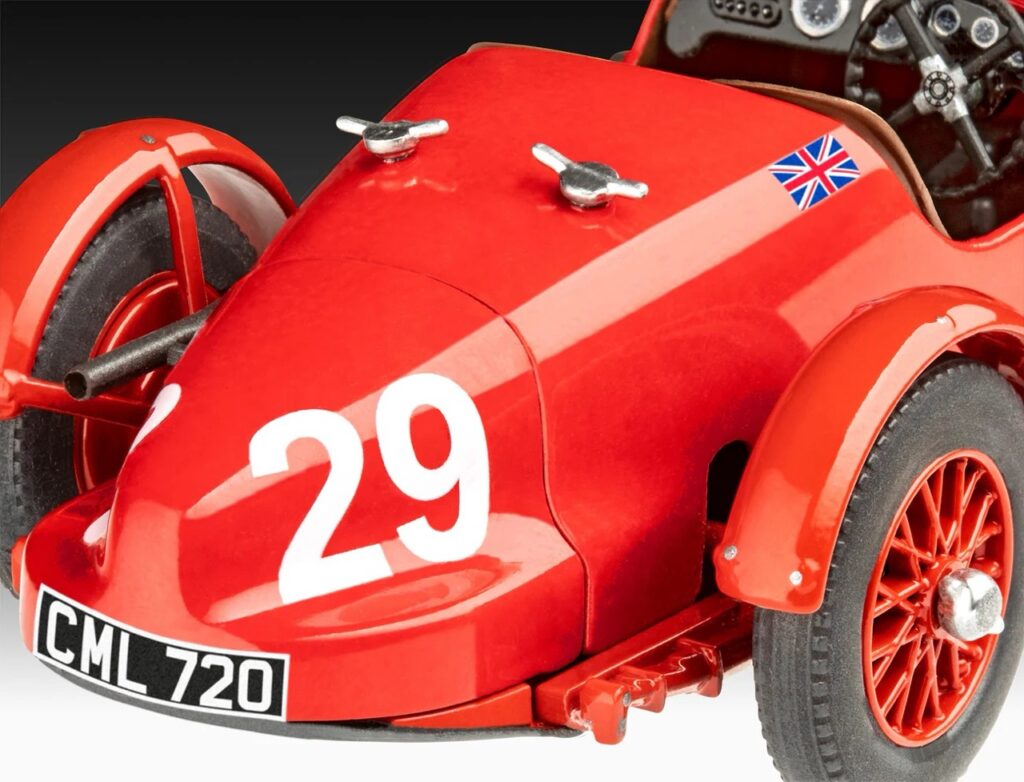
At Le Mans 1934, all three factory Astons retired due to minor mechanical problems, which prompted Bertelli to repaint the cars from British Green to Italian Red to ward off the bad luck. At the subsequent RAC Tourist Trophy race in Ards in Ulster, the trio of freshly repainted Aston Martins took first, second, and third places in the class and won the team prize. A month later, Bertelli presented a customer version at the Earls Court Motor Show and gave it a new name: Ulster.
Bertelli himself was also verifiably superstitious about the number 13 and simply omitted it in his factory chassis numbering, so LM12 was followed directly by LM14. Bert Bertelli later described the Ulster as the best car he had ever built. In his book „Aston Martin 1913–1947″, Inman Hunter commented: „If ever a car looked made for its purpose, it was the Ulster.”
What Technically Distinguished the Ulster
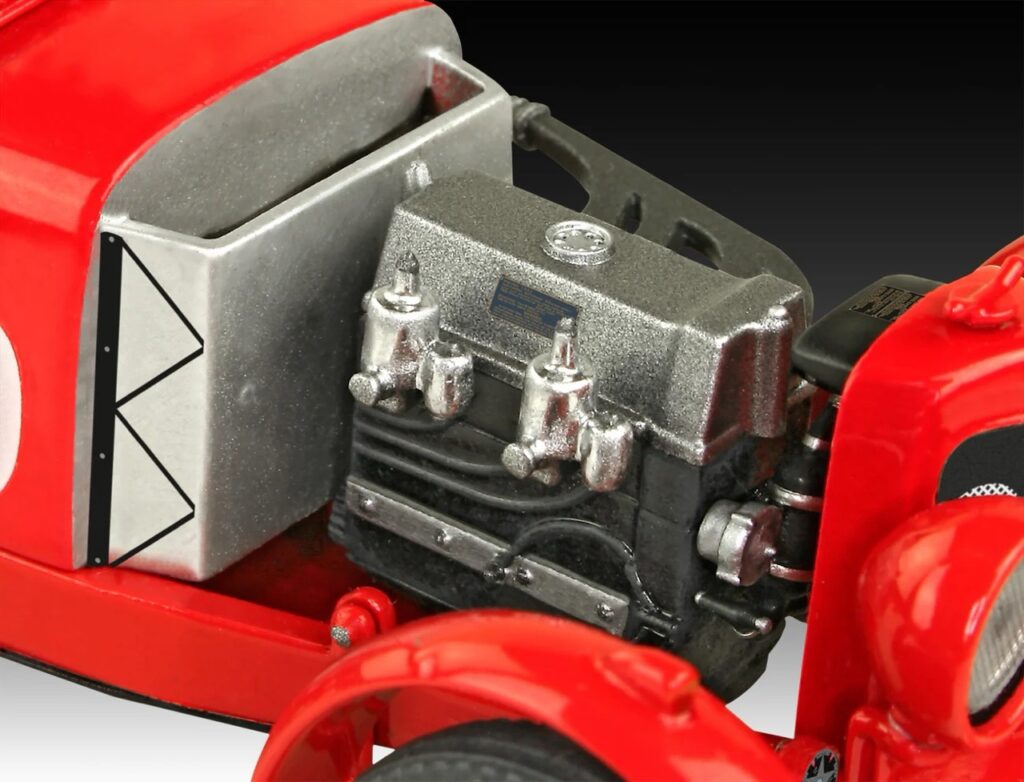
The carefully assembled 1,495-ccm engines with dry sump lubrication, high-compression pistons, and a compression ratio of 9.5:1 produced around 90 hp with a special Laystall crankshaft and hotter camshaft. In combination with a close-ratio four-speed transmission, the robust, air-cooled Ulsters were capable of driving more than 100 miles per hour for extended periods.
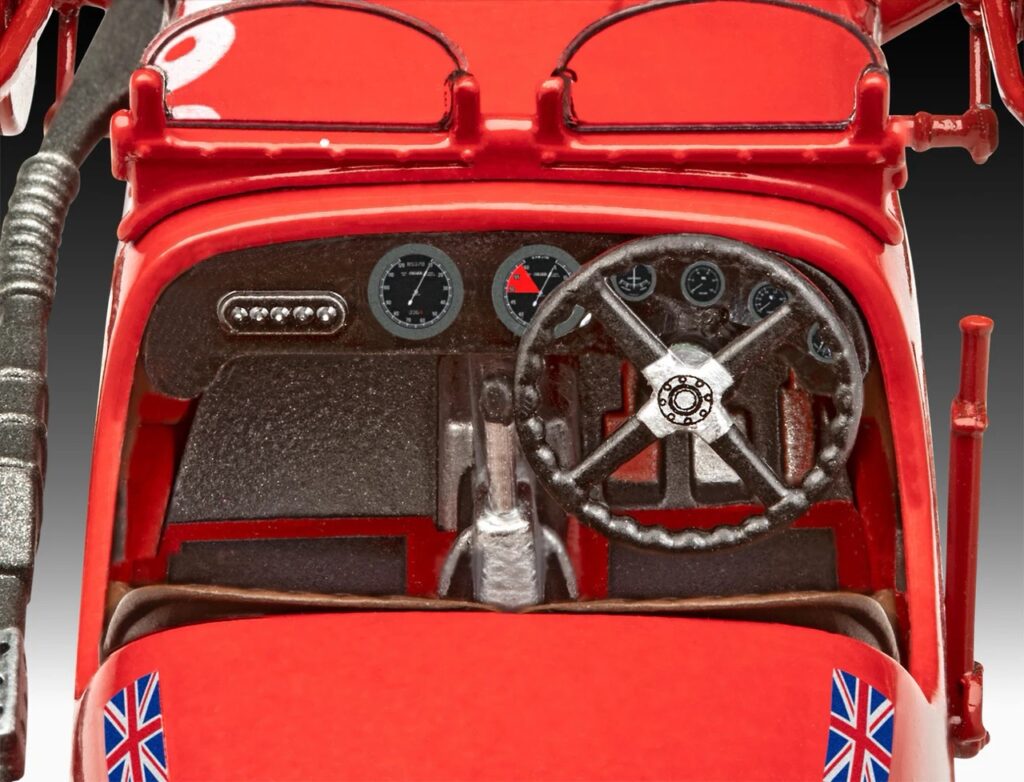
Small details reveal how much experience knowledge is in this car: The dashboard was painted matte black because reflective early morning sunlight at full throttle in Le Mans had been recognized as a serious problem. The radiator frame was kept in body color, and every chassis screw was secured with a split pin.
Le Mans 1935: The Big Moment
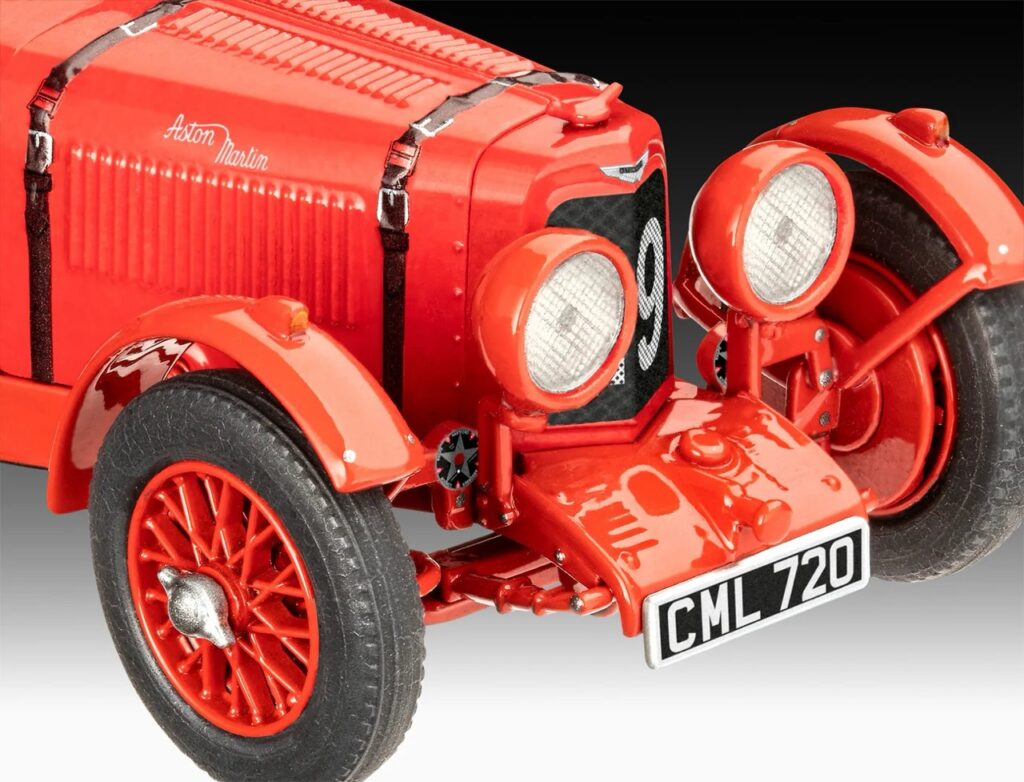
The year 1935 was the most successful in Aston Martin’s pre-war history. Seven cars were entered for Le Mans, including three new factory Ulsters. Together they won the Rudge Cup, and LM20 took third place overall. The technical commissioners initially did not accept the small fenders because they did not sufficiently cover the tires; fender edges were hastily added, which LM20 still carries today.
The chassis LM19 provided a dramatic anecdote: During the night, it went into the barriers and landed on its roof. The driver escaped unharmed, „shaken, not stirred”, as Octane Magazine dryly noted. LM19 was completely rebuilt and competed again shortly thereafter.
31 Built, 28 Survived
Of the 31 Ulsters built, including the ten factory team cars, 28 have survived, and the whereabouts of all are known. That is an extraordinary survival rate for pre-war race cars and speaks both to the quality of the construction and the fact that the owners were aware of the historical significance of these cars from the beginning. The pre-war Aston Martin expert Derrick Edwards, who as founder of Morntane Engineering (today Ecurie Bertelli) was significantly responsible for the survival of many of these vehicles, once estimated that in 40 years of motorsport he won around 650 awards with an Ulster, which impressively illustrates the legendary reliability of these cars.
Among the known owners was, for example, Simon Draper, managing director of Virgin Records, who entered his Ulster in Aston Martin Owners Club races. The auction prices that surviving Ulsters achieve reflect their status: The chassis LM19 fetched almost three million pounds at Bonhams.
Discover the Ulster model kit now in the Revell Shop
Aston Martin, the Ulster, and Pop Culture
The Ulster itself was never seen on a cinema screen, it was simply too rare and too valuable. But the Aston Martin brand, which might not have survived without the Ulster successes of the 1930s, became the foundation of that reputation that Ian Fleming then used in his James Bond series. In the novels, Fleming had his agent drive an Aston Martin DB Mark III because the brand stood for exactly what the Ulster embodied in the 1930s: British engineering art, understatement, and real performance without ostentation.
In Michael Bowler’s standard work „Aston Martin: The Legend”, the Ulster is described as the best that the Bertelli era produced: „a replica of the 1934 team cars that had finished 3rd, 6th, and 7th at the Ulster TT, available for only 750 pounds for amateur drivers”.
Your Model Kit at a Glance
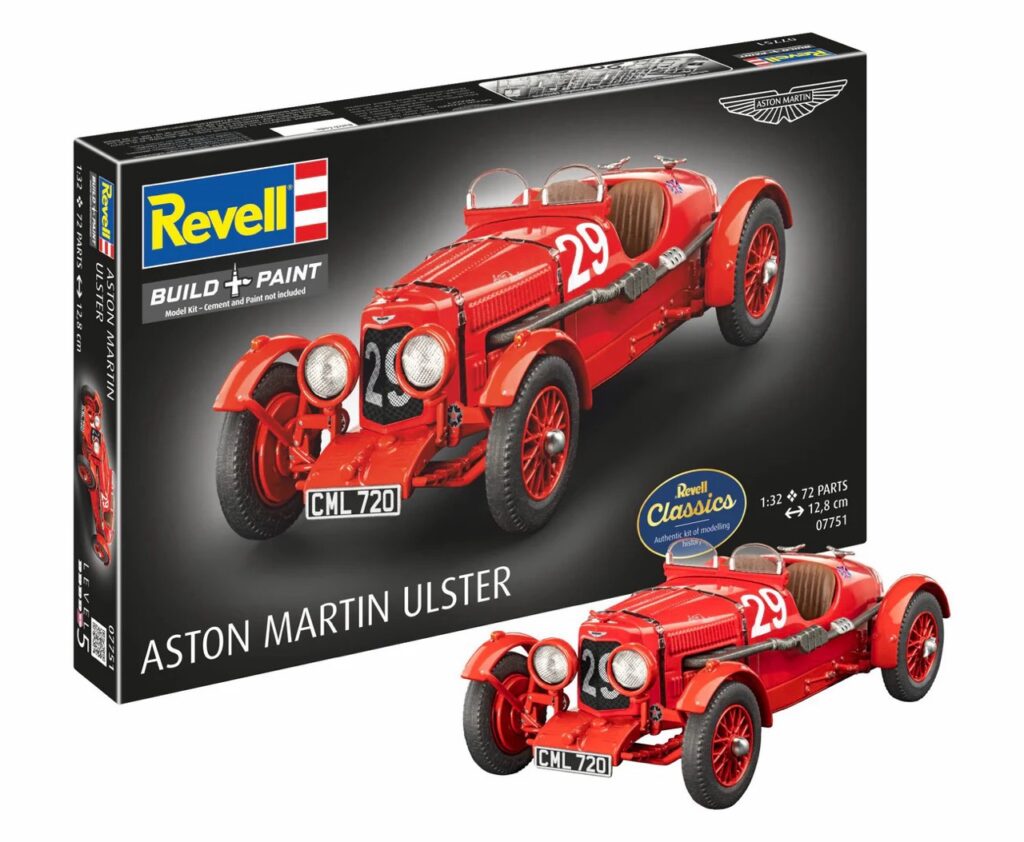
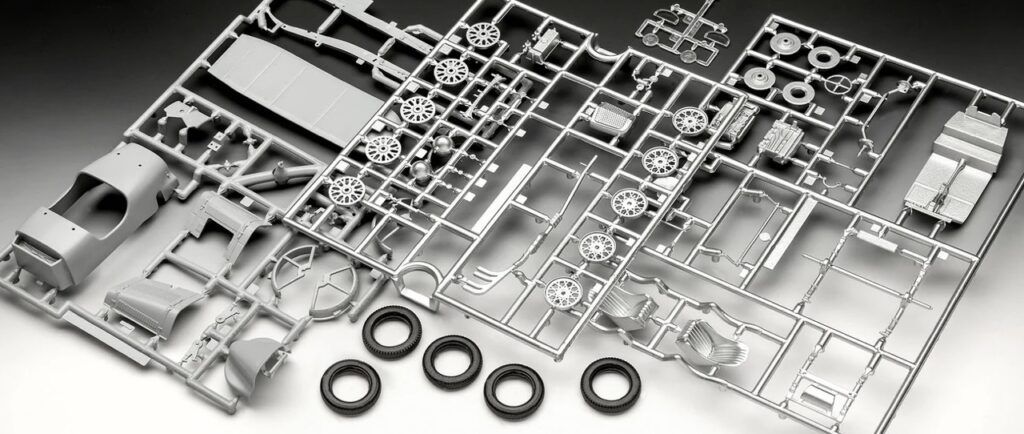
As a reissue, the Aston Martin Ulster returns to our range. Article 077519090, scale 1:32, 70 individual parts, difficulty level Level 5, age recommendation from 13 years, price 14.99 Euro. Included are the unpainted plastic model kit, an illustrated multilingual building instruction, and a decal sheet for historical racing versions.
The Aston Martin Ulster is the best car that Bert Bertelli ever built. He said so himself. And anyone who has built it or seen it in the display case will hardly disagree.
Order the Aston Martin Ulster in the Revell Shop now
Building Inspirations
Here you have an Aston Martin Ulster in full splendor
and in its natural habitat. – on the racetrack